

Registering your address and getting a BSN in the Netherlands
Updated
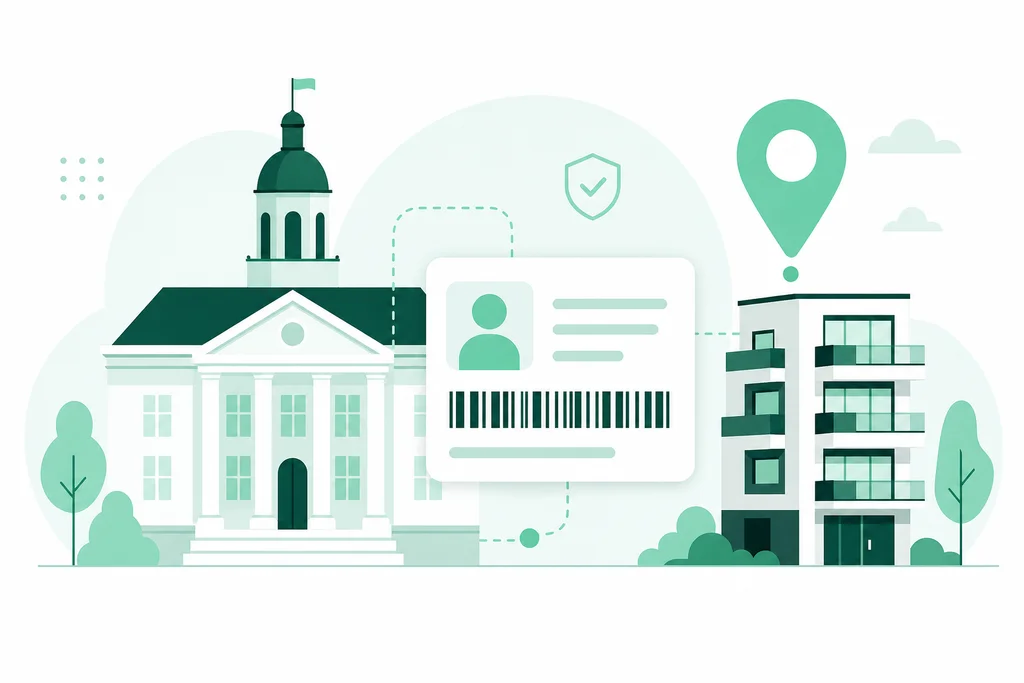
Almost everything you need to set up life in the Netherlands, a job, a bank account, health insurance, a phone contract, runs through one number: your BSN. And you get that number by registering your address with the municipality. This is why the rental you choose and your ability to register are tied together so tightly, and why a place that won't let you register can quietly block your entire move. Here's how it works and how to get it right.
This connects directly to choosing a rental, so if you haven't yet, read our complete guide to renting in the Netherlands alongside this.
This is general information, not legal advice, and municipal procedures vary. Always check the exact requirements with your own gemeente (municipality) and the Rijksoverheid before you go.
What the BRP and the BSN actually are
When you move to the Netherlands, you register in the Basisregistratie Personen (BRP), the municipal population register. Registering is how you are issued a BSN (burgerservicenummer, or citizen service number), the unique ID the Dutch government, employers, banks and insurers all use to identify you. No registration, no BSN, and without a BSN most of the essentials of daily life are simply closed to you.
Who has to register, and when
If you're staying longer than four months, you register as a resident in the BRP, and you're generally expected to do this within five days of arriving. If you're staying four months or less, you register instead as a non-resident (in the RNI, the Registration of Non-Residents) to get a BSN. Either way, you book an appointment with the municipality, so do it early, because in the busy cities appointment slots can be weeks out.
Why the BSN matters so much
The BSN is the key that unlocks everything else. You need it to start a job and be paid legally, to open most Dutch bank accounts, to take out the health insurance that's mandatory here, to set up a DigiD (your digital government login), and for countless everyday things after that. This is why sorting your registration quickly matters: several other essentials are waiting behind it in a queue.
The critical link: your rental must allow registration
Here's the part that catches people out. You can only register at an address where you actually live and where you are permitted to register. Some landlords forbid registration in the contract, or quietly discourage it, often because the sublet is unofficial or they're avoiding tax or rules. If you can't register at your address, you can't get your BSN, and the whole chain above stalls.
So treat "registration allowed" as a non-negotiable when choosing a place. Confirm it before you sign, ideally in writing in the contract. A landlord who refuses to allow registration is showing you a serious red flag about the whole arrangement, and it's usually a reason to walk away. We cover this and other warning signs in the main renting guide.
How to register, step by step
Book an appointment with your municipality (the gemeente) as soon as you have your address. Bring the documents they require, which typically include a valid passport or ID, your rental contract or other proof of your address, and often an original birth certificate, sometimes legalised or apostilled and translated depending on your country. If you're registering family members, you may also need marriage or birth certificates for them. Requirements genuinely vary by municipality and nationality, so check your specific gemeente's website before the appointment so you don't have to rebook over a missing document.
What if your landlord won't let you register?
Take it seriously. Politely but firmly confirm that registration is allowed before you commit, and get it in the contract. If a landlord flatly refuses, understand what that usually means: an arrangement that isn't fully above board, which puts you at risk, not them. The safer move is almost always to keep looking for a place that lets you register, rather than accepting somewhere that leaves you unable to get a BSN. Being able to register is part of what makes a rental a real, usable home.
Frequently asked questions
What is a BSN and why do I need one?
The BSN (burgerservicenummer) is your Dutch citizen service number. You need it for a job, a bank account, health insurance, a DigiD, and most official processes. You get it by registering your address with the municipality.
How soon do I have to register after arriving?
If you're staying longer than four months you register as a resident, generally within five days of arrival. For stays of four months or less you register as a non-resident to obtain a BSN. Book the appointment early, slots fill up.
Can my landlord refuse to let me register at the address?
They shouldn't, and a contract that forbids registration is a serious warning sign. Because you need to register to get a BSN, a place you can't register at can block your whole setup in the country. Confirm registration is allowed, in writing, before signing.
What documents do I need to register?
Usually a valid passport or ID, your rental contract or proof of address, and often an original (sometimes legalised and translated) birth certificate. Requirements vary by municipality and nationality, so check your gemeente's website first.
Can I get a BSN without a permanent address?
For short stays you can register as a non-resident (RNI) to get a BSN, but to register as a resident and access everything a BSN unlocks, you need an address where you're allowed to register.
Find a place that works as a real home
A rental is only as good as the life you can build from it, and that starts with being able to register and get your BSN. Set up a saved search on Findrent, turn on instant alerts, and when you find the right place, confirm registration is allowed before you sign. Browse current listings in Amsterdam, Rotterdam, Utrecht, or any city, and read next about rental deposits and your rights.